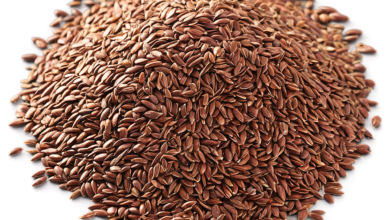
Raw Food Diet Foods: What to Eat, What to Avoid, Benefits


Raw Food Diet Foods: What to Eat, What to Avoid, Benefits
Row food is a diet that has been around since the nineteenth century, but its popularity has increased significantly in recent years, Its supporters believe that eating raw food diet foods is often ideal for human health and has many benefits, including weight loss and improved overall health.
However, health experts warn that following raw food diet foods may lead to negative health consequences. This article reviews the pros and cons of raw food diet foods and the benefits of eating raw food.
Article contents:
- What is a raw food Diet?
- Benefits of eating raw food
- How to follow a raw food diet
- Food allowed to eat in raw food diet
- Types of foods to avoid in raw food diet
- Raw food diet recipes
- Is raw food healthier than cooked food?
- Side effects of eating raw food diet
- Is raw food diet safe and sustainable?
- Why a raw food diet is bad for you?
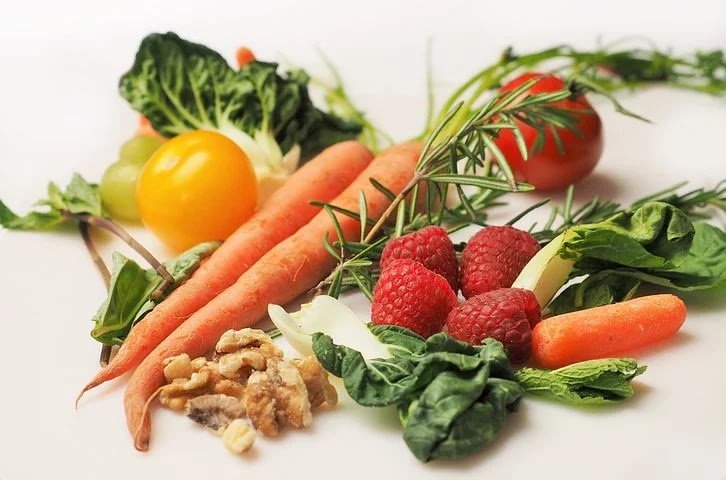
What is a raw food diet?
- This diet is often called raw food diet or fresh vegetable food diet, and this diet consists of natural, uncooked and untreated food.
- Raw food is considered raw if it is not heated at 104-118 ° F (40-48 ° C).
- Also, food should not be pasteurized or treated with pesticides or in any other way in any way.
- Instead, this diet allows for many alternative preparation methods, such as squeezing, mixing and drying, soaking, and budding.
- Like a vegetarian diet, a raw food system is usually plant-based and is mostly made of fruits, vegetables, nuts, and seeds.
- While most raw diets depend entirely on plants, some people eat eggs and dairy products as well. In a few cases, raw fish and meat may also be included.
- Additionally, taking nutritional supplements while following a raw food diet is not encouraged.
- Fans of this diet often claim that it will provide you with all the nutrients your body needs.
- Its supporters also believe that cooking food may harm human health, because it destroys natural enzymes in foods, reduces their nutritional content, and reduces the “life energy” that they believe is present in all raw or “living” foods.
Benefits of eating raw food
People follow a raw food diet to get the benefits of eating raw food they believe help in losing weight, improving vitality and activity, increasing energy, improving symptoms of chronic diseases and overall health, and reducing the negative impact on the environment.
How to follow a raw food diet:
- To follow a raw food diet, make sure that at least 75% of the food you eat is raw.
- Most raw diets rely primarily on fruits, vegetables, nuts and seeds.
- Many grains and legumes are allowed to be eaten as well, but they usually require soaking or germination before they are eaten.
Raw food diet foods you can eat :
- All fresh fruits.
- All raw vegetables.
- Fresh nuts and seeds.
- Uncooked grains and legumes prepared with soaking and germination.
- Dried fruits and meat.
- Nuts milk like almond milk.
- Raw nuts butter like peanut butter.
- Cold-pressed olive and coconut oil.
- Fermented foods such as kimchi and sauerkraut.
- Seaweed.
- Raw eggs or dairy, as desired.
- Raw meat or fish, as desired.
Raw food diet foods to avoid:
- Cooked fruits, vegetables, meat, and grains.
- All kinds of baked goods.
- Roasted nuts and seeds.
- Refined oils.
- salt.
- Refined sugar and white flour.
- Juices and pasteurized dairy products.
- Coffee and tea.
- Alcohol.
- the pasta.
- Pastries.
- The chips.
- Other processed foods and snacks.
For the best raw food diet recipes, we recommend the 100% RAW LOVE book where you will find most of the favourite raw food recipes like salads, soups, desserts, smoothie, juices and more.
If you are new to raw food diet, we recommend this book for Self Made Raw Food.
Is raw food healthier than cooked food?
Raw food diet proponents and fans believe that eating most or all meals from raw foods is ideal for maintaining human health.
However, like many basic tenets of raw food diet, this idea is not scientifically supported.
In fact, research shows that both cooked or raw foods have health benefits.
One of the main reasons why the idea of cooking food in the raw food system is discouraged comes because of the belief that cooking destroys natural enzymes in foods.
Supporters of this diet believe that these enzymes are necessary for human health and digestion.
As high temperatures cause the demolition and cracking of most enzymes, it will change their shape and composition.
However, many enzymes spoil in the acidic environment present inside the stomach anyway.
In fact, the body already produces its own enzymes to facilitate chemical processes including digestion and energy production.
Another basic belief in the raw food diet is that the cooking process destroys the nutritional content of foods.
Cooking can reduce the proportion of some nutrients in food, especially water-soluble nutrients such as Vitamin C and Vitamin B.
However, cooking may increase the availability of some other nutrients and antioxidants, such as lycopene and beta-carotene.
Cooking also helps to disable or destroy some harmful compounds in foods.
For example, cooking grains and legumes reduce lactic acid. If these compounds are present in large quantities, this may prevent the body from absorbing minerals.
Moreover, the cooking process also kills harmful bacteria.
For these reasons, it is important to eat a variety of raw and cooked foods alike.
Raw Food Diet foods Pros and Cons :
Benefits of eating raw food diet foods
- Mainly, this diet is very rich in fresh fruits and vegetables, and also includes other foods that are high in nutrients and fiber.
- Thanks to this, the raw food system limits the intake of foods known to contribute to the deterioration of the health condition if they are consumed in large quantities, such as fast foods processed and filled with added sugar.
- In addition, the raw food system ensures that its weight loss followers are low in calories.
Side effects of eating raw food diet foods
- Most of the time, when someone switches from a diet rich in cooked foods to a diet based on raw foods, their caloric intake is likely to decrease dramatically.
- Some people may not find that it is possible to eat enough food to meet their daily caloric needs.
- The partial reason for this is that while healthy fruits and vegetables do not provide enough calories or protein to meet the needs of the body.
- In addition, cooking increases the digestion of foods, making it easier for the body to obtain calories and nutrients from food.
- In some cases, your body gets significantly fewer calories if you eat the same food in its aw form.
- Cooking also increases the amount of nutrients and antioxidants the body absorbs.
- Finally, raw diets tend to nutritionally unbalanced, as they must consist mostly of fats or fruits to meet the body’s caloric needs.
- This means that a raw food diet may not only lack calories, but also some vitamins, minerals, and protein.
Is raw food diet food safe and sustainable?
- In the short term, the raw diet is unlikely to cause any major health problems.
- However, you may face some health problems if you follow this diet in the long run.
- Because this diet is difficult to get enough calories, protein, some vitamins and minerals.
- Some people may not be able to get enough calories when following this diet.
- Evidence also indicates that the more raw food you have in your diet, the greater the risk of negative effects.
- If you do not take nutritional supplements, you may have some health problems due to lack of nutrients over time and the body is depleting of vitamins and minerals in it.
- Vitamin B12 and Vitamin D are particularly difficult to obtain from raw food-based diets.
- However, even dietary supplements cannot compensate for the lack of calories and protein in this diet.
- In addition, the risk of exposure to foodborne illnesses increases when eating raw foods.
- This is completely real, especially if dairy products, eggs or raw meat are part of your diet. Where nutrition experts always recommend eating these foods if they fully cooked or pasteurized.
- Finally, following a raw food diet can be difficult for a number of reasons. For starters, dining options are limited and avoiding cooked food is hard to go out to eat in restaurants, or even share food with friends.
Why a raw food diet is bad for you?
Avoiding cooked foods also means that the ways to prepare food limited, so following a raw food diet can become boring over time, and many people also find that eating only cold foods is not delicious.
Finally, buying a lot of fresh and organic products can be costly, as well as wasting a lot of time planning and preparation.
Conclusion
Raw food diet foods such as fresh fruits, vegetables, nuts, and seeds can add fiber and nutrients to
your meals and help you cut back on processed foods. But a strict raw food diet is hard to sustain
and may leave you short on calories, protein, vitamin B12, and vitamin D, and raw animal foods
raise the risk of foodborne illness. For most people, a balanced mix of raw and cooked foods is the
safer choice.
This article is for general information only and is not a substitute for professional medical advice. Talk to your
doctor or a registered dietitian before making major changes to your diet.
Read more: