What’s normal blood sugar? Tips for managing diabetes
Blood glucose level is related directly to the health of the body, having normal blood sugar, lower blood sugar level, or high blood sugar level.
May lead to several health problems like diabetes and its compilation.
So, we will talk about these points in this article providing you with some tips to help you to control your blood glucose level and we will provide you with a Smart blood sugar offer at the end of the article:
- Blood glucose level
- Normal blood sugar level
- Lower blood sugar level (hypoglycemia)
- High blood sugar level
- Blood sugar level diabetes type 2 and type 1
- Why is normal blood sugar level important?
- What to do when blood glucose levels are low or high?
- Why is normal blood sugar level important?
- Top 10 tips for maintaining a normal blood sugar level
Blood glucose level
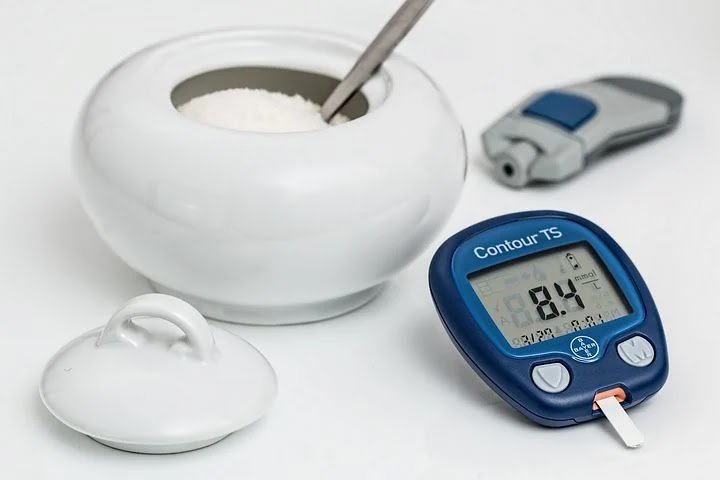
The blood glucose level is an important index of your health, for this, to know what is the normal blood sugar level and how they can control them in low or high blood sugar levels cases.
Normal blood sugar level
The blood sugar level chart below indicates the target or normal blood sugar level for normal and diabetic people:
| Target Levels by Type | Upon waking | Before meals (preprandial) | At least 90 minutes after meals (postprandial) |
| Non-diabetic* | 72 to 106.2 mg/dL | under 140.4 mg/dL | |
| Type 2 diabetes | 72 to 126 mg/dL | under 153 mg/dL | |
| Type 1 diabetes | 90 to 126 mg/dL | 72 to 126 mg/dL | 90 to 162 mg/dL |
| Children w/ type 1 diabetes | 72 to 126 mg/dL | 72 to 126 mg/dL | 90 to 162 mg/dL |
Source of blood sugar level chart: NICE
Important information about blood sugar level
Based on the previous table, you notice that the blood sugar level varies depending on timing and food intake, and it also differs slightly from person to person.
- Between 72 to 99 mg/dL when fasting
- Up to 140 mg/dL 2 hours after eating
Where the blood sugar level is lowest before eating breakfast and before the main meals, this means that the highest reading is an hour or two after eating.
It is worth noting that diabetics have higher blood sugar levels compared to healthy people.
Lower blood sugar level (hypoglycemia)
The lower blood sugar level is defined as hypoglycemia, for less than 45-50 mg / dL. The main source of sugar is food.
People with diabetes get hypoglycemia when their bodies don’t have enough sugar to use as fuel.
Hypoglycemia may results from many reasons, including diet, some medications and conditions, and exercise.
Symptoms of lower blood sugar level (hypoglycemia):
- Lightheadedness
- Dizziness
- Confusion
- Irritability
- Shakiness
- Nervousness
- Anxiety
- Chills
- Pale skin
- Hunger
- Sleepiness
- Fainting
- Tingling lips
- Sweating
- Clamminess
- Having a fast heart rate
High blood sugar level (hyperglycemia)
High blood sugar is happening when the blood glucose level has risen due to food.
Most of the foods we eat affect blood sugar in one or more ways.
It is foods that significantly affect the sugar level:
- Foods high in carbohydrates and sugar, but less fat and fiber, such as baked goods, white bread, soda, and candy.
- Foods high in added sugar including desserts, sweetened yogurt, ice cream, some breakfast cereals, and sugar-sweetened beverages
Symptoms of high blood sugar level (hyperglycemia)
- Fatigue
- Frequent urination
- Headaches
- Blurred vision
- Difficulty concentrating
- Increased thirst
- Weight loss
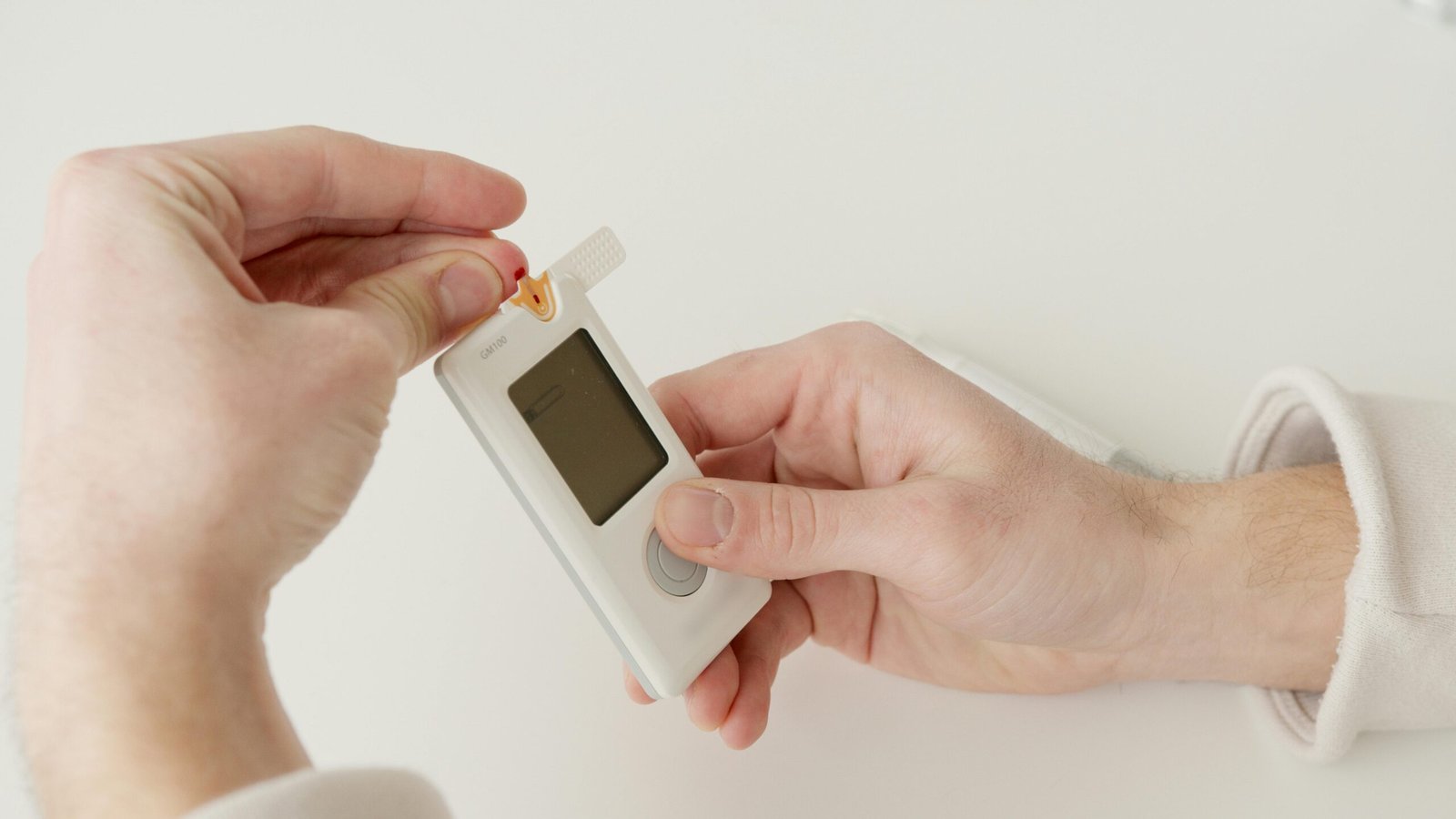
Blood sugar level diabetes type 2 and type 1 diabetes and prediabetes
A confirmed diagnosis will have you take one or more of the following blood glucose level tests :
Fasting Blood Sugar Test
This measures your blood sugar after an overnight not eating. A fasting blood sugar level of
- 99 mg/dL or lower is normal
- 100 to 125 mg/dL indicates you have prediabetes
- 126 mg/dL or higher indicates you have diabetes.
Glucose Tolerance Test
This measures your blood glucose level before and after you drink a liquid that contains glucose.
You’ll fast overnight before the test and have your blood drawn to know your fasting blood sugar level.
Then you’ll drink the liquid and have your blood glucose level checked 1 hour, 2 hours, and possibly 3 hours.
At 2 hours
- Blood sugar level of 140 mg/dL or lower is considered normal.
- 140 to 199 mg/dL indicates you have prediabetes.
- 200 mg/dL or higher indicates you have diabetes.
Random Blood Sugar Test
This measures your blood glucose level at the time you’re tested. You can take this test at any time and don’t need to fast first.
A blood sugar level of 200 mg/dL or higher indicates you have diabetes.
A1C Test
The A1C test measures your average blood glucose level over the past 2 or 3 months.
An A1C
- Below 5.7% is normal.
- Between 5.7 and 6.4% indicates you have prediabetes.
- 6.5% or higher indicates you have diabetes.
Blood sugar level chart
| Result* | A1C Test | Fasting Blood Sugar Test | Glucose Tolerance Test | Random Blood Sugar Test |
| Diabetes | 6.5% or above | 126 mg/dL or above | 200 mg/dL or above | 200 mg/dL or above |
| Prediabetes | 5.7 – 6.4% | 100 – 125 mg/dL | 140 – 199 mg/dL | N/A |
| Normal | Below 5.7% | 99 mg/dL or below | 140 mg/dL or below | N/A |
Source of blood sugar level chart: American Diabetes Association
Why is normal blood sugar level important?
Controlling blood sugar level and keeping it normal keeps you away from many diseases especially diabetes and its compilations that include:
- Kidney disease
- Nerve damage
- Stroke
- Retinal disease
- Heart disease
What to do when blood glucose levels are low or high?
Blood sugar level chart shows the blood glucose level and the health tips to follow:
| The blood sugar level during fasting | Health tips |
| 50 mg / dL or less | Too low: seek medical help. |
| 70-90 mg / dL | Very low: Eat sugar as soon as you see signs of low blood sugar or seek medical help. |
| 90-120 mg / dL | Normal rate. |
| 120-160 mg / dL | High: In need of tracking, monitoring, and medical .+- assistance. |
| 160-240 mg / dL | Too high: Try to lower blood sugar and seek medical help. |
| 240-300 mg / dL | Too very high: Consult your doctor, as this is an indication that your sugar levels are not controlling. |
| 300 mg / dL or more | Dangerously high: seek immediate medical help. |
Methods for reducing high blood sugar level
If you have a high blood sugar level, the following tips can help you reduce it:
- Reduce the amount of carbohydrates you eat.
- Increase the amount of water.
- Do sports.
- Focus on eating dietary fiber.
- If you have diabetes, it is important that you, with your doctor or dietitian, create a plan that will help you control your sugar levels, which will help you control the disease and its complications.
Methods for raising lower blood sugar
When sweating a lot, feeling hungry and trembling, or if the blood glucose level falls below 70 milligrams / dL, it is recommended to take one of the following:
- Drink fruit juice.
- Eat several hard candy tablets.
- Take glucose tablets.
After 15 minutes, re-measure your blood sugar level, then re-eat one of the previous foods until the sugar level rises to 70 milligrams / dL, then eat a snack if the next meal is an hour or more later.

Top 10 tips for maintaining a normal blood sugar level
- A healthy lifestyle and proper and balanced nutrition
- Regular exercise
- Measuring blood sugar
- Attendance to regular examinations
- Follow up blood pressure and lipid readings
- Receiving a medical treatment immediately upon discovering the disease
- Consult a nutritionist
- Maintain a consistent and balanced routine
- Periodic checks
- Getting rid of excess weight
Conclusion
In the end, we have discovered with each other all about diabetes and normal blood sugar level and how to deal with each one.
And got a lot of advice and tips to improve blood glucose levels. And what to do when blood glucose levels are low or high?
If you want any help or advice about controlling blood glucose levels leave a comment below.
We recommend an offer:
Smart blood sugar program by Dr. Marlene Merritt:
This is a review of the program and includes important information to consider before purchasing the Smart Blood Sugar program. Here we review Dr. Merritt’s book on how to halt (even possibly reverse) the effects of type 2 diabetes, by naturally controlling the levels of sugar in your blood through simple changes to your diet and exercise regime.
Click the link below to see the video review of the program.
If the Smart Blood Sugar Program sounds like it is for you – Please just click on the link below to be taken through to the Official Website where you can make your purchase as well as claim the Free Resources.
Read more about:
Tell us in the comments, have you benefited from this article?